Travertine Pavers vs. Concrete Pavers for a Patio or Pool Deck
Travertine or concrete pavers? How they compare on heat, slip resistance, cost and care for patios and pool decks in South Florida.
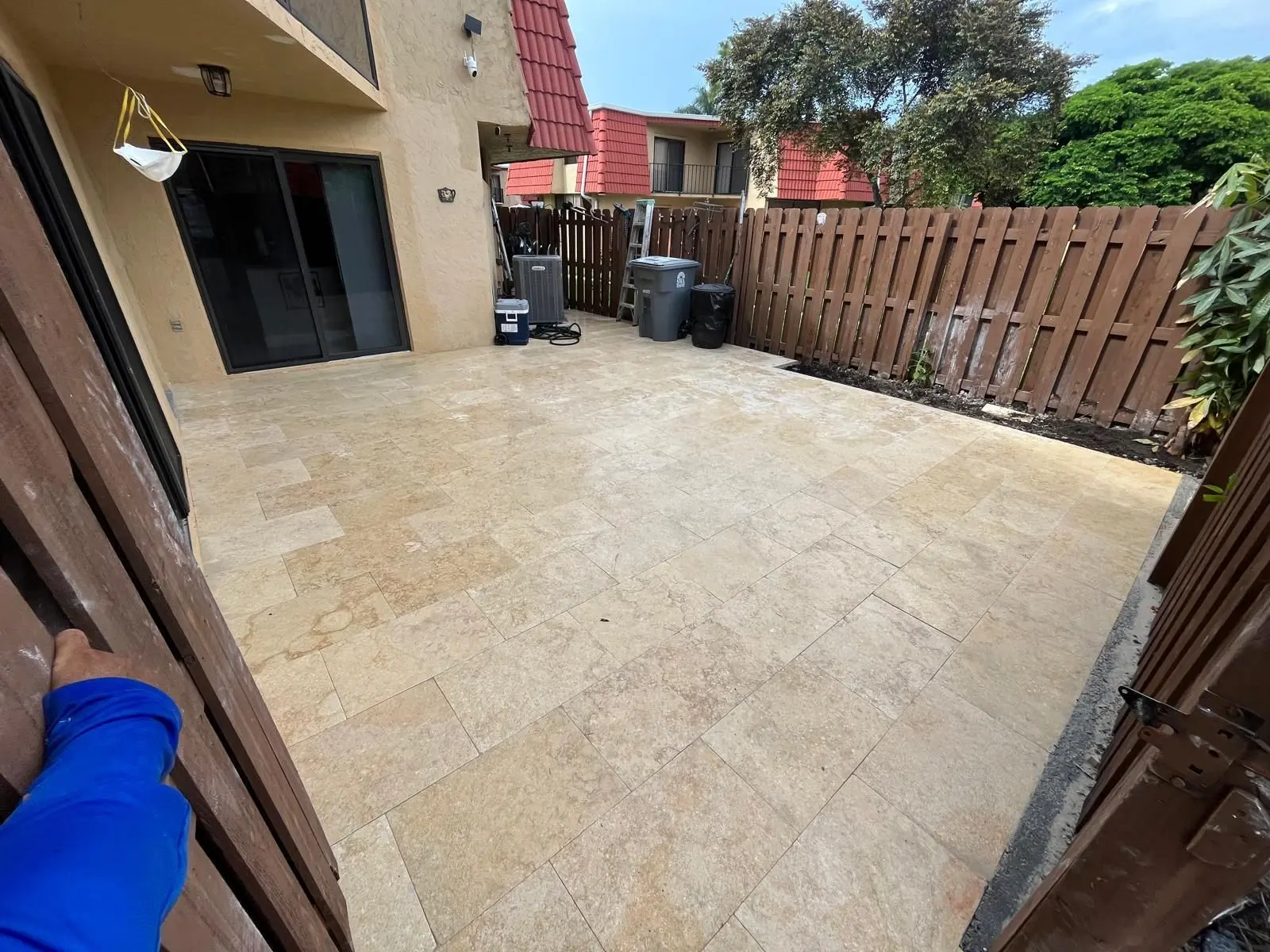
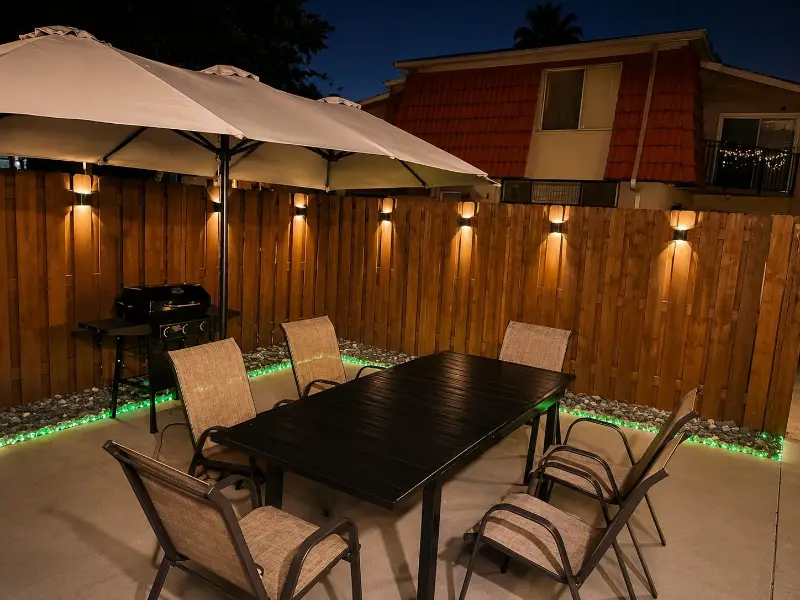
These are the two materials we install most on patios and pool decks in South Florida. Both last and both look good. They feel different.
Travertine
Travertine is natural stone. It stays cooler underfoot in direct sun, which matters around a pool or anywhere you walk barefoot. Each piece varies slightly in tone, which gives a soft, natural look.
Concrete pavers
Concrete pavers are manufactured, so color and size are consistent. They come in more colors, shapes and patterns, and can match a driveway or walkway.
Care
Both are swept and rinsed. Sealing is optional for either and helps with stains. Travertine has natural pores; a sealer keeps dirt from settling in them.
How to choose
For pool decks and barefoot areas, many homeowners prefer travertine. For a specific color or pattern, or to tie the patio to an existing paver driveway, concrete pavers are the easier match. We bring samples of both and show them in the 3D projection.
Cost comparison
Concrete pavers are generally the lower-cost material. Travertine usually costs more per square foot because it is natural stone. Installation is similar for both: the base, the slope and the edges matter as much as the surface.
The estimate shows both options when you are undecided, so you can compare them for your exact area.
Heat and slip resistance around a pool
On a pool deck, two things matter more than anywhere else: how hot the surface gets and how much grip it has when wet. Light-colored travertine stays comfortable in direct sun, and its natural texture gives grip. Concrete pavers vary by color and finish, so lighter colors and textured surfaces are the better choice near water.
What a patio paver installation includes
- Free estimate visit, measurements and a 3D projection.
- Removal of the existing surface where needed.
- Grading and a compacted base.
- Pavers or travertine laid in the chosen pattern, with clean cuts at the edges.
- Joint sand, and sealing if you choose it.
Frequently asked questions
Is travertine slippery when wet?
Tumbled and unfilled travertine has a natural texture that gives good grip, which is why it is common on pool decks. Polished travertine is for interiors.
Does travertine need to be sealed?
Sealing is optional. It helps keep dirt out of the natural pores and makes stains easier to clean.
Can pavers be installed over an existing concrete patio?
Sometimes, with thin pavers made for overlays, if the concrete is sound and drains well. We check the slab during the free estimate visit.
How do I get a price for my project?
Call (561) 652-0105 or send the form. We visit the property, measure, and send written pricing with a 3D projection of the finished project. The estimate is free.
Where we work
Forben Construction serves Palm Beach and Broward County, including Fort Lauderdale, Pompano Beach, Deerfield Beach, Coral Springs, Parkland, Boca Raton, Delray Beach, Boynton Beach, West Palm Beach, Palm Beach Gardens and Jupiter. See our Patios service or request a free estimate.
See our Patios service →